EssayInsights
We flip the pyramid: Why the lab builds its own tools first
The thesis fits in a sentence: build the tool you need, use it until it holds, then hand it to someone else. This note is the longer version.
The usual pyramid
Most software companies can be drawn as a pyramid. At the top sits a market: a sector, a buyer, a size. Under it, a product designed for that buyer. Under that, a team. At the base, the daily work the product is meant to change, which the team often meets last and second-hand.
That order works when the market is known. When it is not, it fails in a familiar way: the product answers a question nobody on the team has had to ask. Public research puts numbers on it. RAND found in 2024 that more than 80% of AI projects fail, about twice the rate of other IT projects. MIT NANDA’s 2025 report found that 95% of generative AI pilots stall.
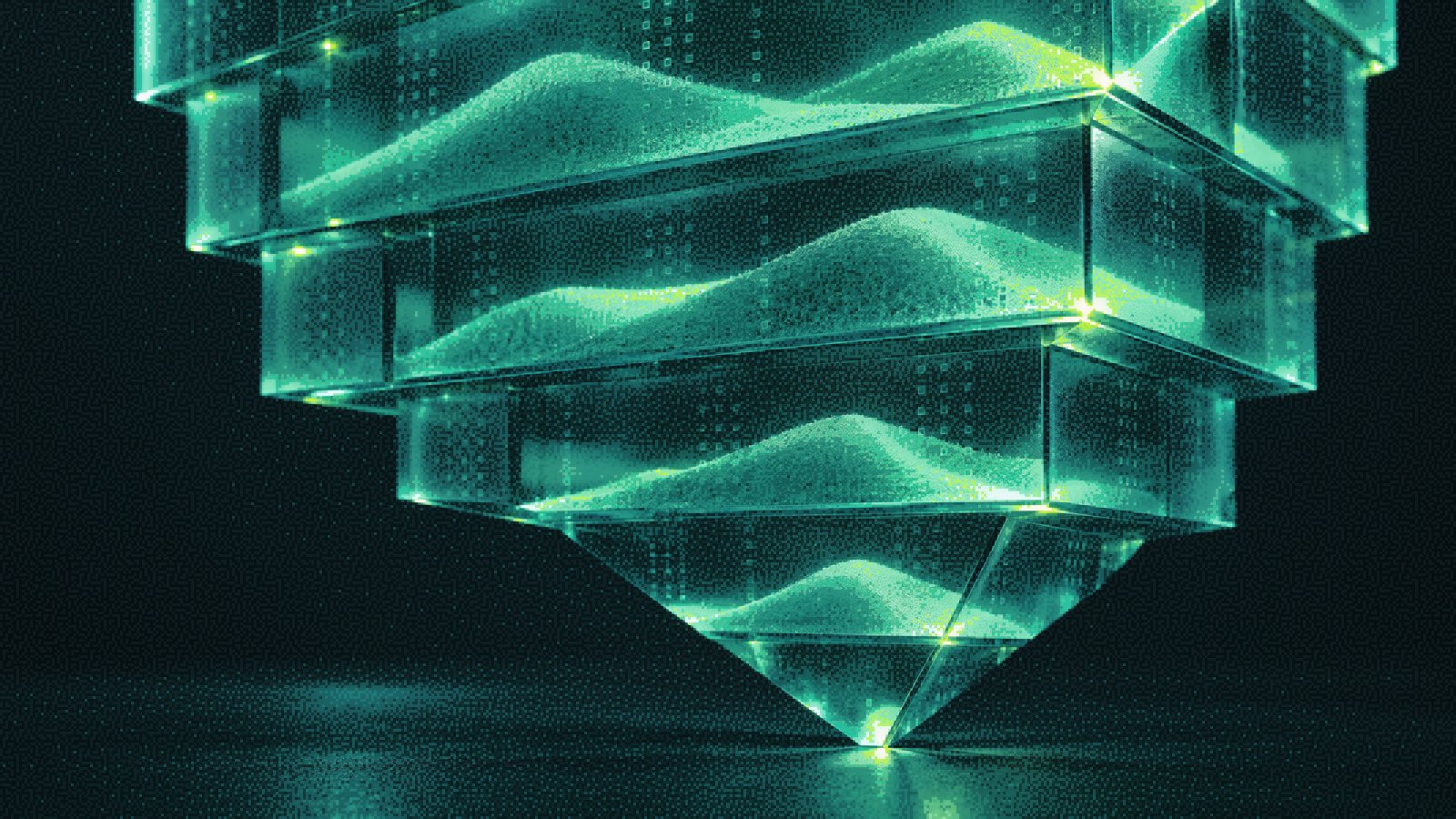
Turned over
We start from the base. The work comes first: the client projects the lab ships, the research, the posting, the paperwork around all of it. When part of that work is slow, repetitive or easy to get wrong, it becomes a tool. When the tool has carried our own work long enough, it becomes a product. The market comes last, and it meets something that already works.
The order changes who the first critic is. Before a stranger sees a product, the people who built it have depended on it on a deadline.
Market first. The work is met last, and second-hand.
- 01Market
- 02Product
- 03Team
- 04The work
What the desk has produced
Board
Our agents needed somewhere to file what they did. Board hooks into Claude Code when a session starts and writes plans, decisions, bugs and tasks to plain markdown and JSON files. A SQLite database is only an index over those files, and an MCP server lets agents read and write the board. The lab’s own projects are filed there.
Founds
Every project left components, sections and workflows behind. Founds keeps them in one registry, measured and classified, and copying an entry delivers real source through git rather than a pasted fragment. It is not public yet. It is the workshop this site was built from.
Distro
Our own launches needed distribution as much as engineering. Distro is the scheduler the lab runs its channels from, with Claude drafting through it. Read the launch note.
What it costs
- Slower to a first customer. A tool has to survive our work before anyone else sees it.
- Our habits leak in. A tool shaped by one team carries that team’s assumptions, and the first outside users find them.
- Fewer bets. We build where we feel the pain ourselves, so some good markets stay out of reach until a client brings us into them.
We accept those costs. The last one is why the lab also builds with clients: a client’s problem is a desk we had not sat at.
If you work with us
You get tools that have already carried real work, a team that uses them daily, and a library that saves you paying for work we have done before. Start a project, or read how we count our numbers first.
Sources
Every page this note links to or cites.