Work, in public
What the lab shipped, and what it changed.
How we show our work
Proof you can check, or it stays off the page.
Most of what the lab builds is for government and enterprise teams, and it belongs to them. What you see here is the work that is already public: products in market, a radar pass we published, a series of posts with their sources printed on them.
Each case follows one shape. The challenge as the people inside it saw it, the solution that shipped, and the impact in numbers someone else can verify.
- 01
Public, or not here
A case appears only when its substance is already public: a live product, a public brief, a post we published.
- 02
Every number has a source
Each figure names where it comes from, so anyone can look it up.
- 03
Caveats travel with results
If a result needs a qualifier, the qualifier is printed beside it, as it is on the Hormuz pass.
- 04
Client work stays private
Most of our work is for government and enterprise teams. It is shown here only with their written yes.
Cases
Every public case. Filter by sector or venture.
- ARDUN
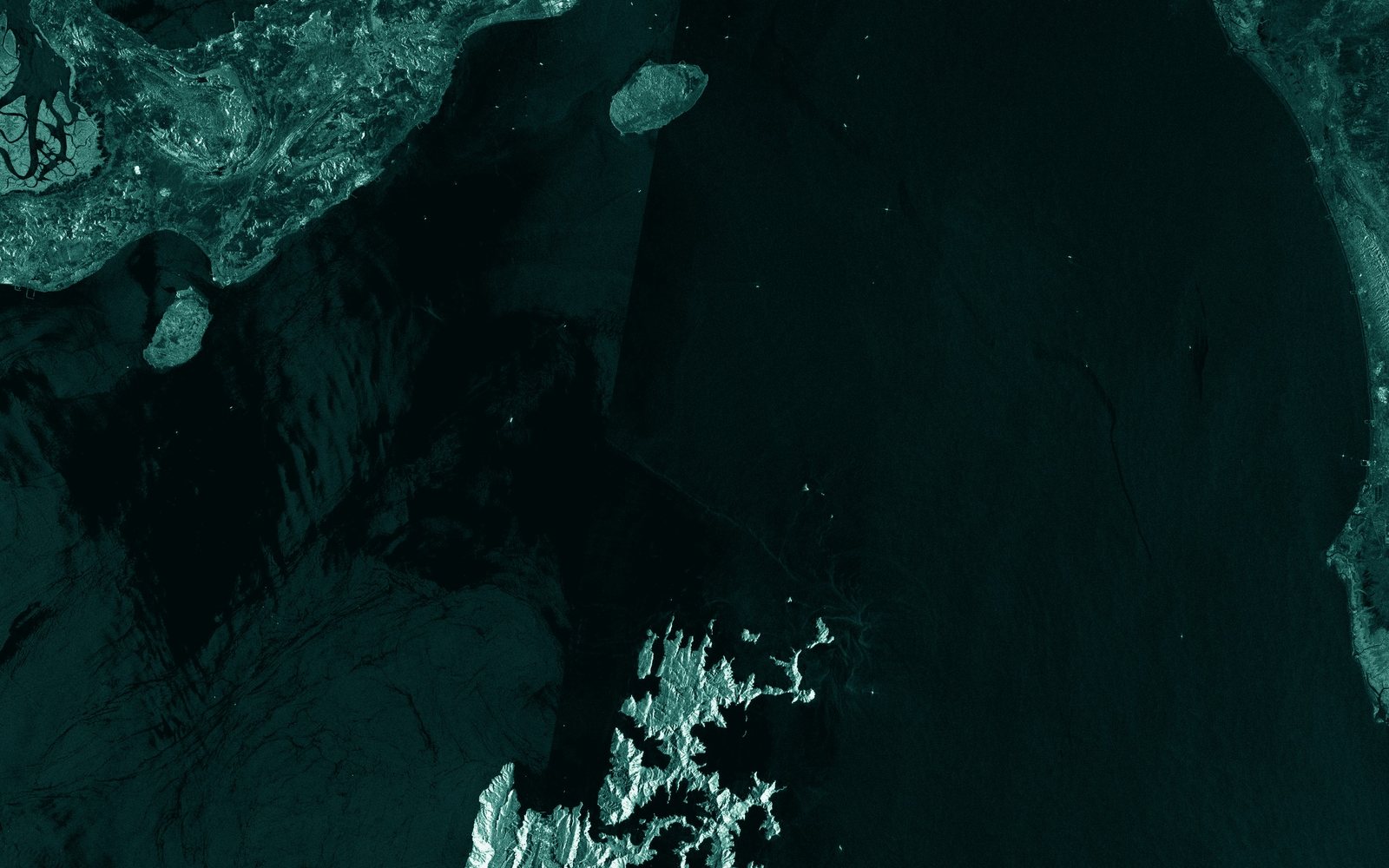
Radar over Hormuz: 36 returns in one pass
- Challenge
- Cloud and night hide the water from optical satellites.
- Impact
- 36 bright returns over open water, flagged in one pass.
Security and GIS / Energy and resources
- Board
Board: a home for the work agents do
- Challenge
- Agent sessions end, and the work they did scatters.
- Impact
- A macOS app in pre-release, with a public waitlist.
Founders and teams
- Eyada
Eyada: the clinic, run from one screen
- Challenge
- A clinic’s day runs across a diary, a till, a queue and paper.
- Impact
- Live at eyada.ai, in Arabic first.
Health
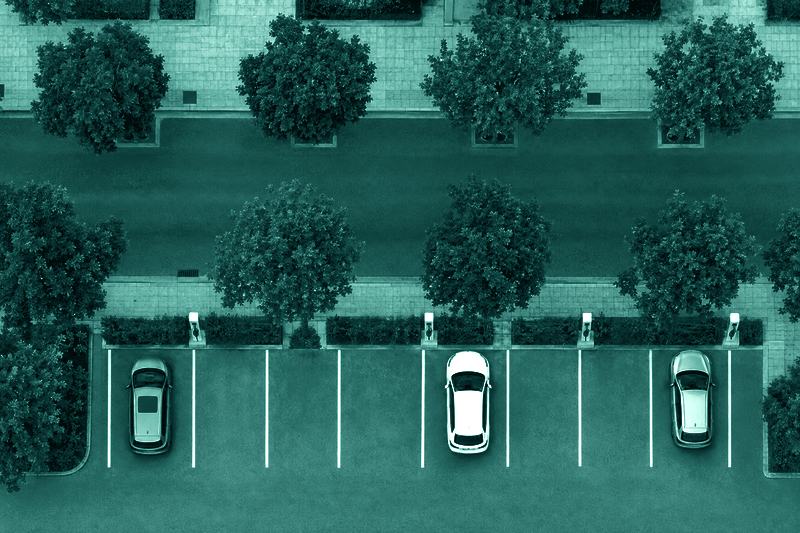
- SpotMe
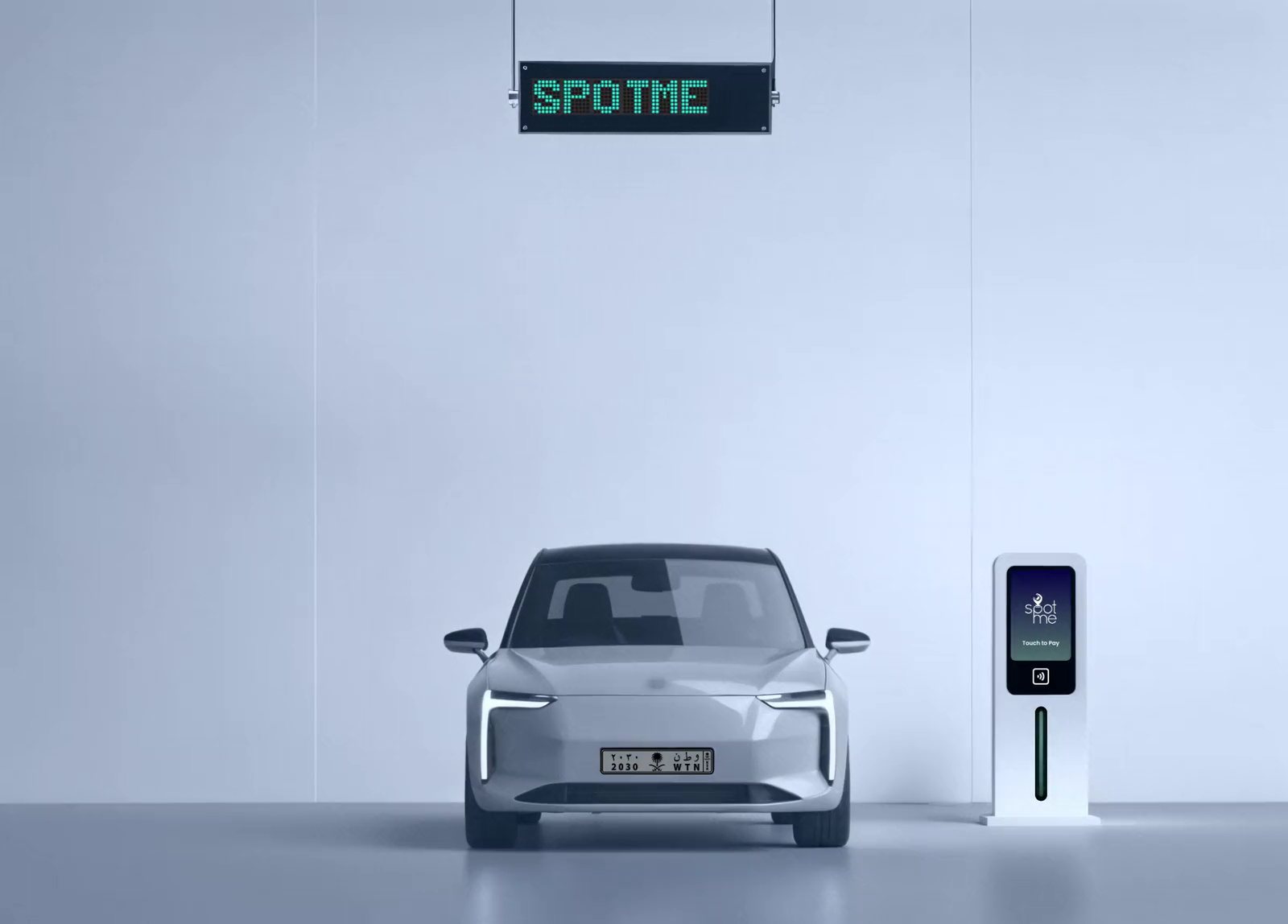
SpotMe: from the gate to the bay
- Challenge
- Drivers circle for a bay, then queue at the gate.
- Impact
- Live at spotme.sa, in Arabic and English.
Smart cities
- WorkAlly
WorkAlly: intelligence that stays where the data lives
- Challenge
- The data cannot leave. The questions still need answers.
- Impact
- Live at workally.ai and insights.workally.ai.
Security and GIS
- The lab
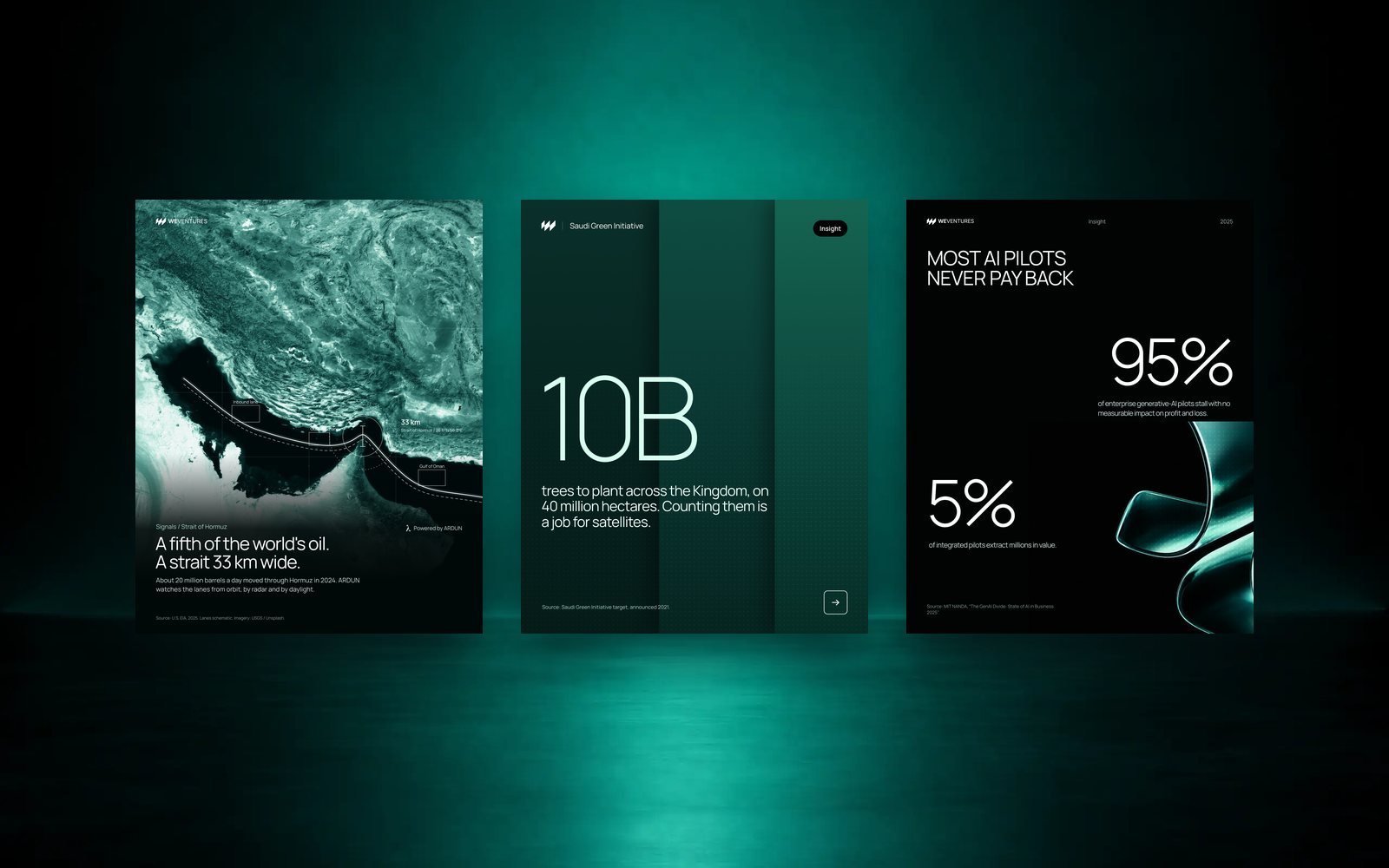
Signals: public data, drawn for the feed
- Challenge
- A new account, and a feed full of unsourced claims.
- Impact
- A series anyone can check, line by line.
Energy and resources / Land and infrastructure / Founders and teams


Featured case / ARDUN
Drag the line between a radar pass and an answer.
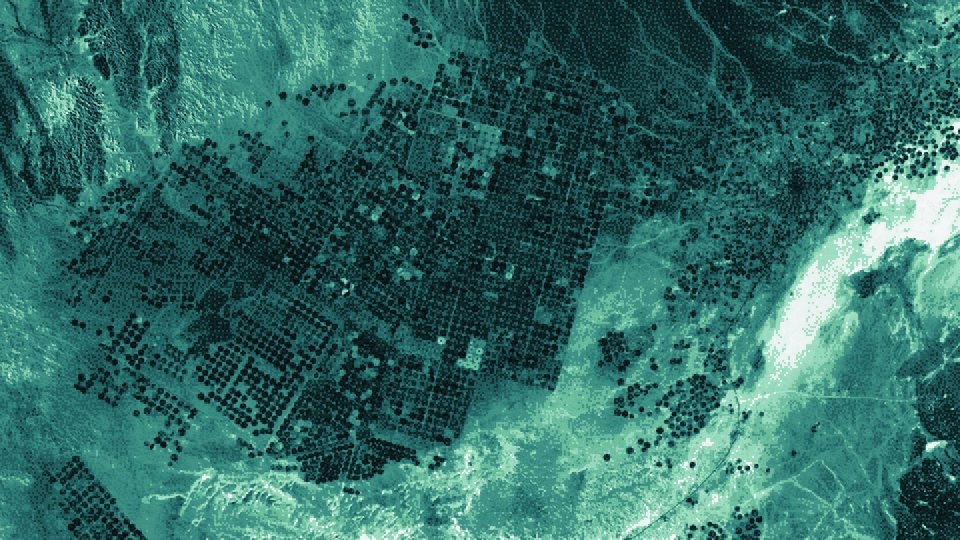
One Sentinel-1 radar pass over the Strait of Hormuz, read by ARDUN: the bright returns over open water, flagged for a second look, with the caveat printed beside them.
- Challenge
- Cloud and night hide the water from optical satellites.
- Solution
- ARDUN reads the radar pass and flags what stands out over open water.
- Impact
- 36 bright returns over open water, flagged in one pass.
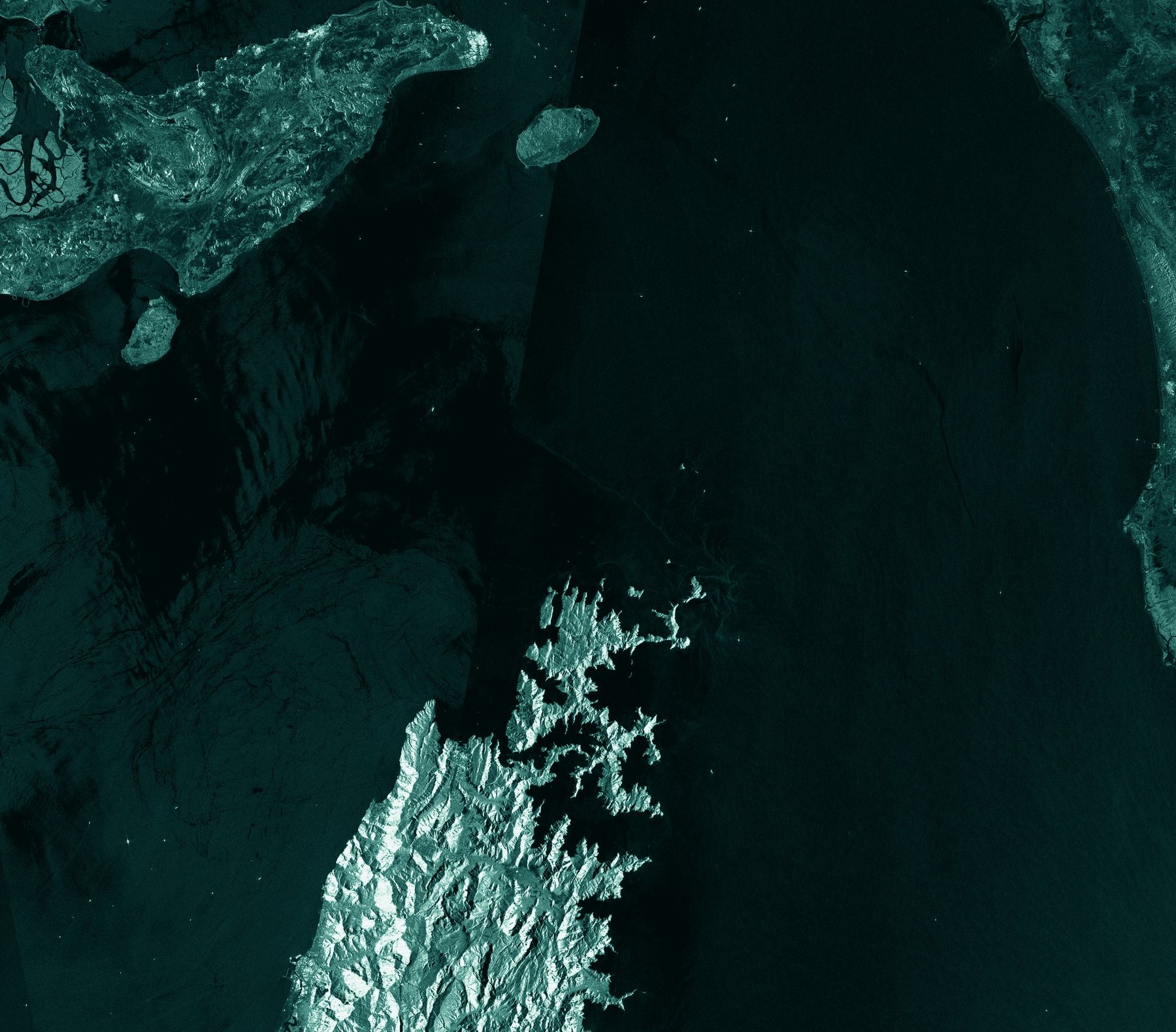 The raw passARDUN’s read
00returns flagged on ARDUN’s side
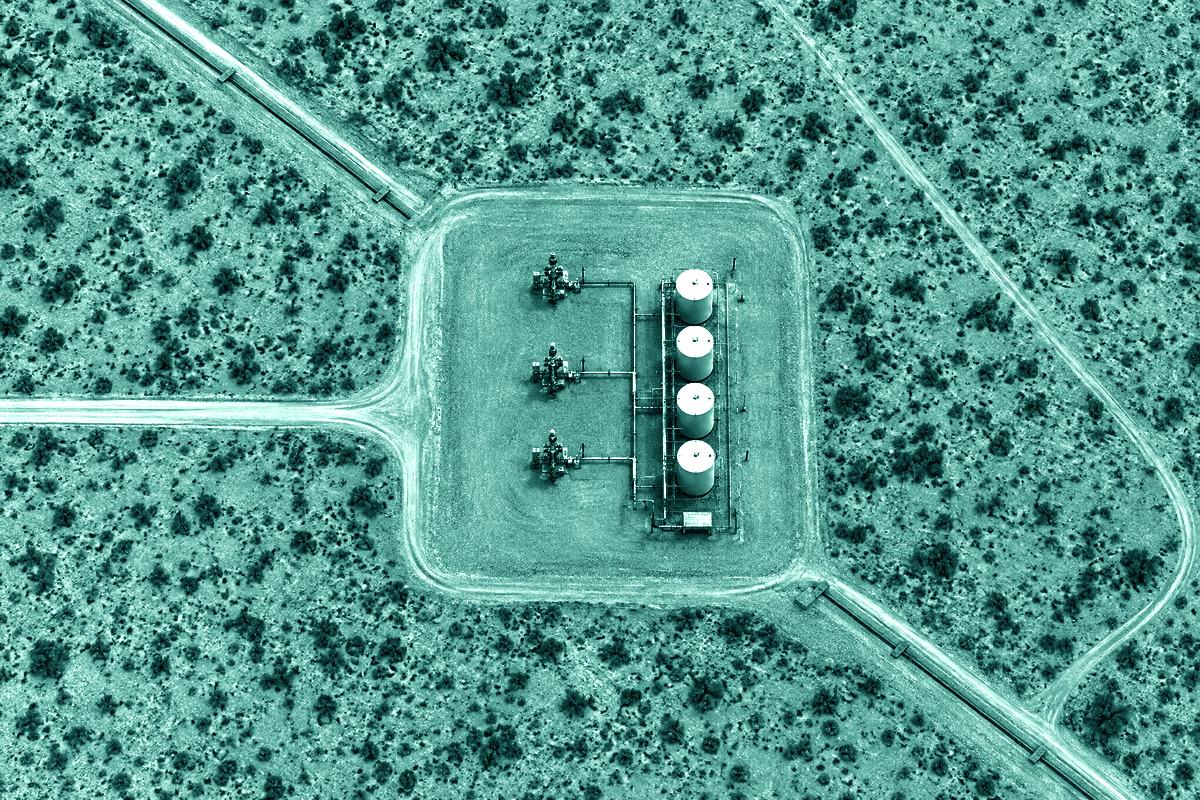
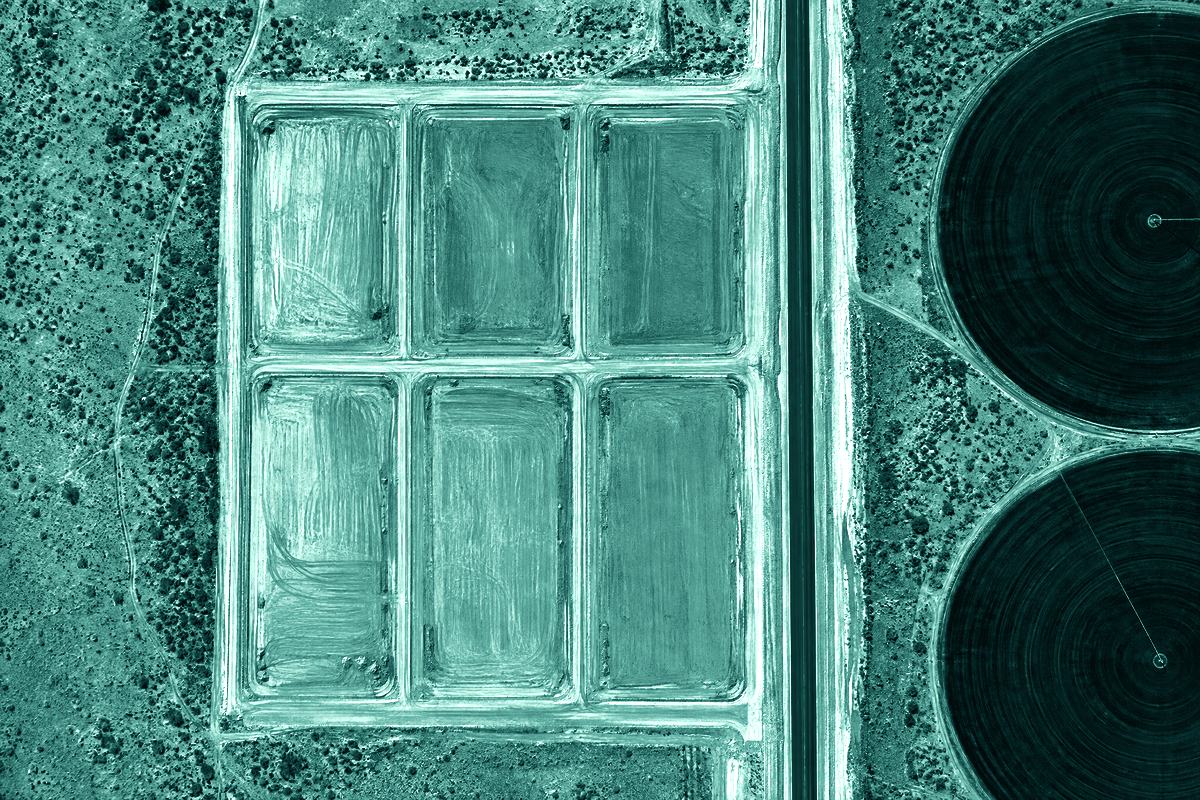
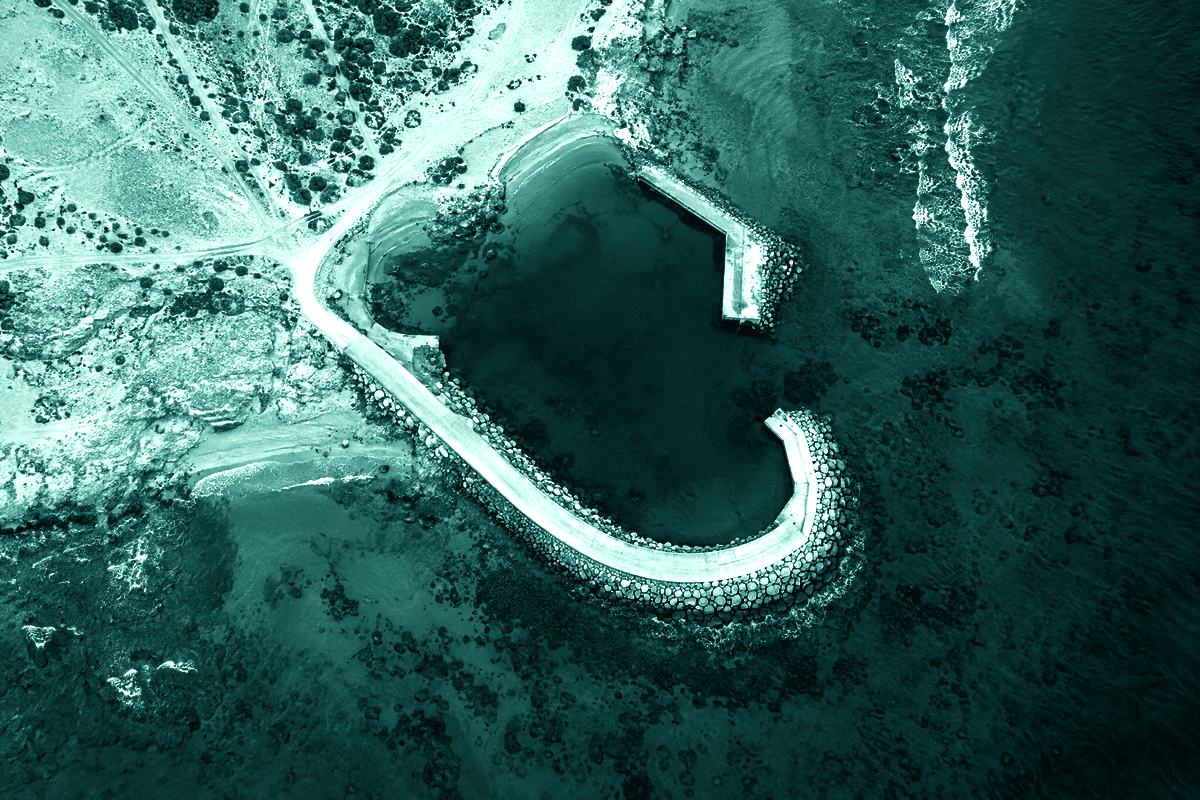
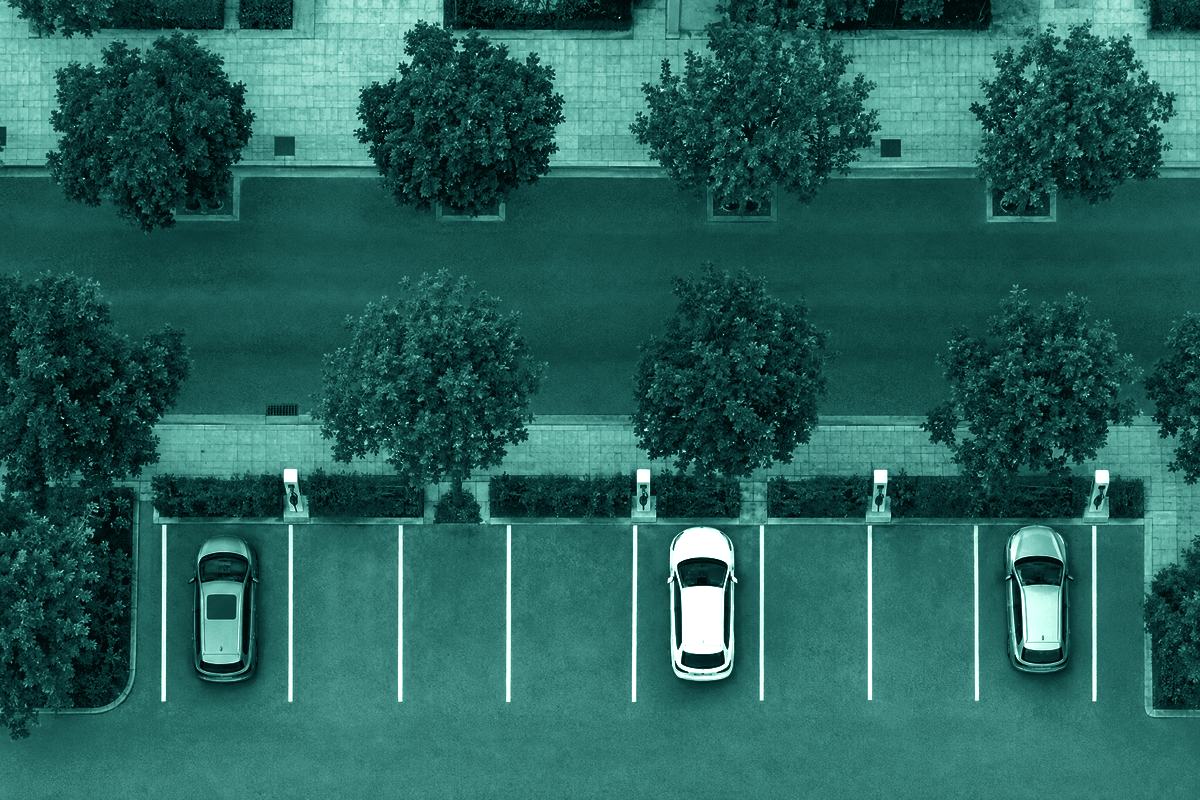
Work by sector
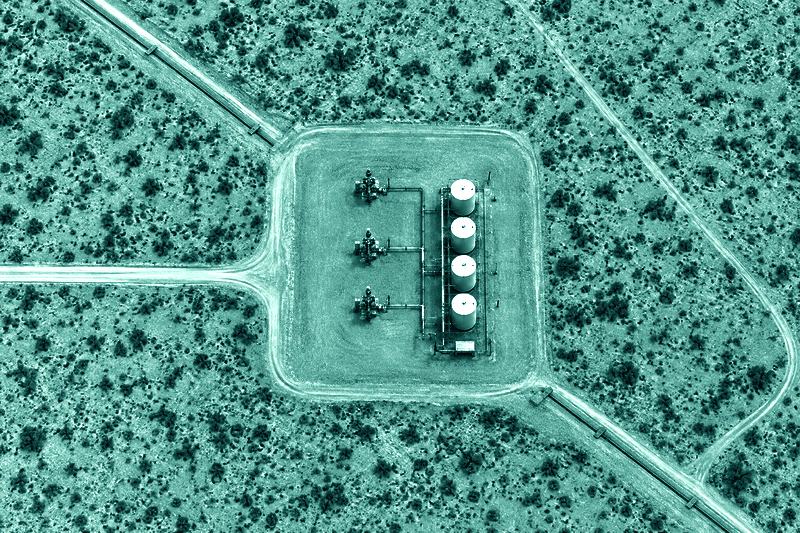
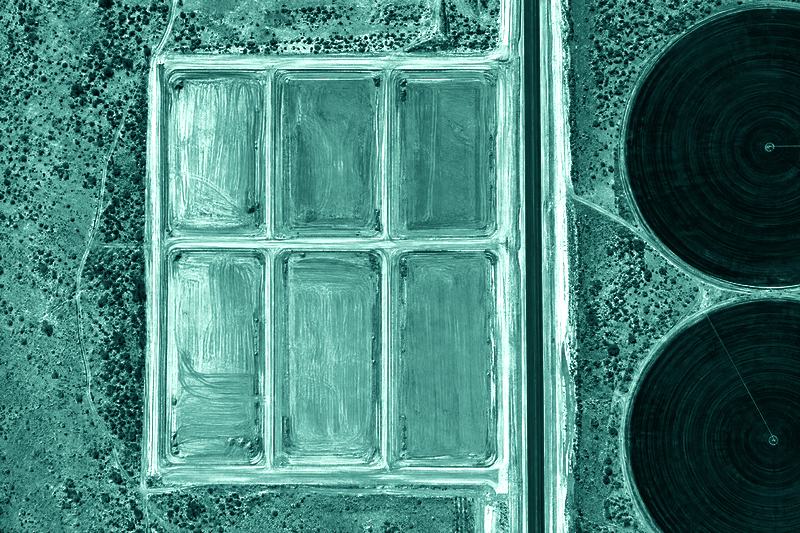
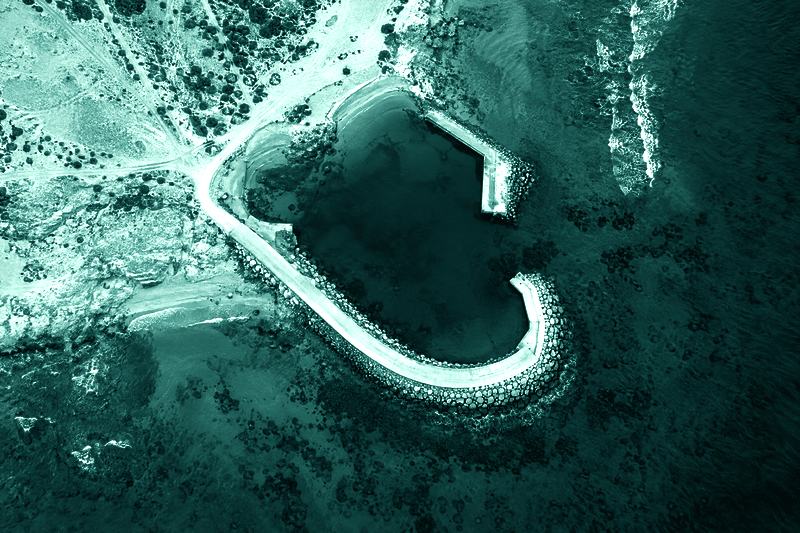
Where the work lands. Six fields, one standard.
- 01
ARDUN, The lab
- 02
The lab
- 03
ARDUN, WorkAlly
- 04
SpotMe
- 05
Eyada
- 06
Board, The lab
Ways we work
Seven ways a project starts.
From deploying a venture as it is, to research on a problem that has no product yet. Pick the shape closest to yours; the brief asks the rest.
Start a brief- 01
Platform delivery
One of the ventures, deployed and fitted to your team.
- 02
Custom AI development
A model or an agent built for one job you name.
- 03
System integration
Our tools wired into the systems you already run.
- 04
Field intelligence
Imagery and analysis for land, water and assets you cannot visit every day.
- 05
Applied research and co-development
A problem without a product yet, worked on together.
3–6 months, IP agreed per engagement
- 06
Training and enablement
Your people running it themselves, from the first week.
- 07
Data sourcing and unified feeds
The satellite, public and market data a project needs, in one feed.
Further reading
The thinking behind the work.


Questions
About the work, answered.
Yes, in a meeting and under the right agreement. Tell us the problem through the brief, and we will show the closest work we are allowed to share.
Each number on a case names its source: the product’s own public site, the ARDUN capability brief, or the third party who published it. Our note “How we count” explains the method.
It depends on the shape. Deploying a venture is the fastest route. Applied research and co-development usually runs three to six months, with the intellectual property agreed per engagement.
Yes. Each venture page explains where it runs: in the cloud, in your country or on your own hardware, where the venture allows. Start with the brief and pick “Deploy one of our ventures”.
The sectors are where our ventures already work. A hard problem in another field is still worth a note: that is how most ventures began.