Case 06 of 06
Signals. Public data, drawn for the feed.
A series of posts from the lab: one public fact each, its source printed on the post, drawn in the lab’s own system.
- Venture
- The lab
- Type
- Brand and content
- Status
- Published
- Public since
- 2026
A new lab’s accounts start from nothing. Claims without sources read as noise, so the lab’s first series carries only facts anyone can check.
01 From the challenge…
A new account, and a feed full of unsourced claims.
Most posts about AI and space trade in adjectives. A lab that wants to be trusted has to show its sources before it shows its products.
- No following yet, and no reason for anyone to believe a number without a source.
- Hard facts (satellites, oil, trees, failed projects) look dull in a spreadsheet.
- Every post has to work in a feed: one idea, readable at a glance.
02 …to the solution
One public fact a post, with its source on the post.
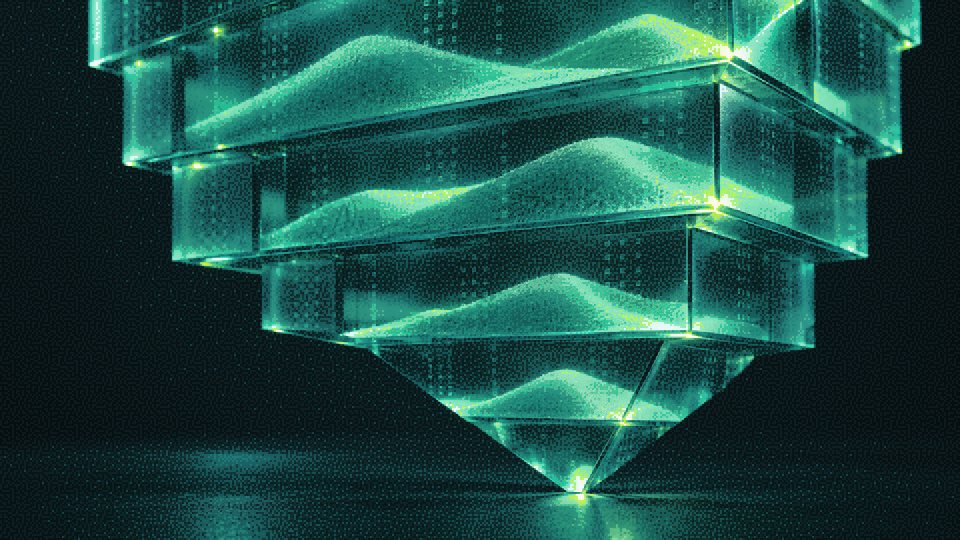
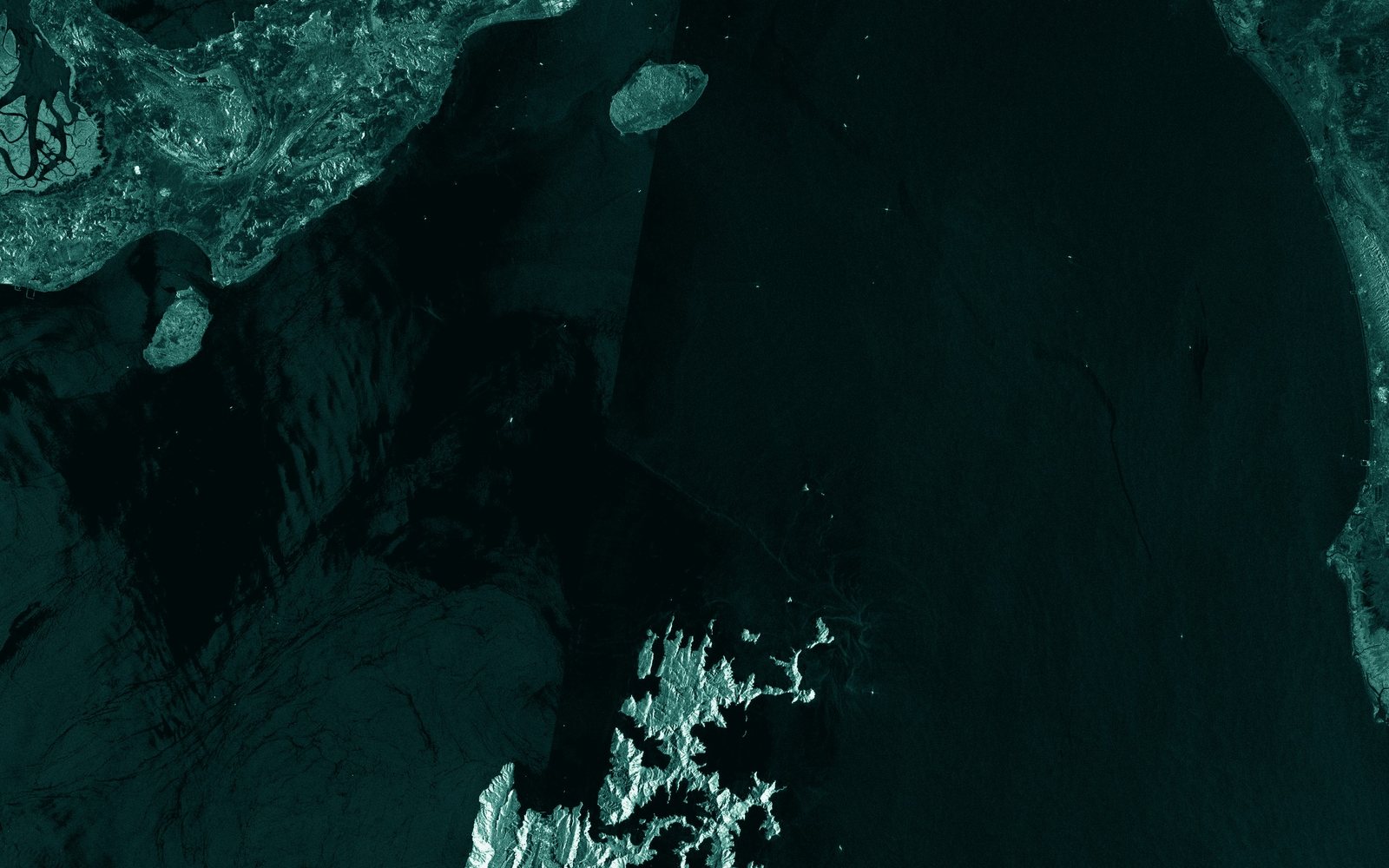
Each post takes one number from a public source and draws it in the lab’s system: Quantra’s teals, Manrope and Inter, satellite imagery graded to match.
- Space: about 11,000 active satellites (ESA, 2025); Sentinel-2 sees the whole planet every 5 days.
- Energy: about 20 million barrels a day through a strait 33 km wide (U.S. EIA).
- Land: 10 billion trees to plant on 40 million hectares (Saudi Green Initiative).
- Work: 95% of generative-AI pilots stall (MIT NANDA, 2025); AI projects fail about twice as often as other IT projects (RAND, 2024).
03 And the impact
A series anyone can check, line by line.
The posts are published on the lab’s accounts. Every number on them can be traced to the source printed underneath.
- Sources first, then the lab’s point of view.
- One visual system across every post.
- The same discipline as this page: public facts only.
What shipped
The work, screen by screen.
Signals as it is today, in its own screens and posts.
01 / 07
Signals, as it shipped. Scroll to move along.
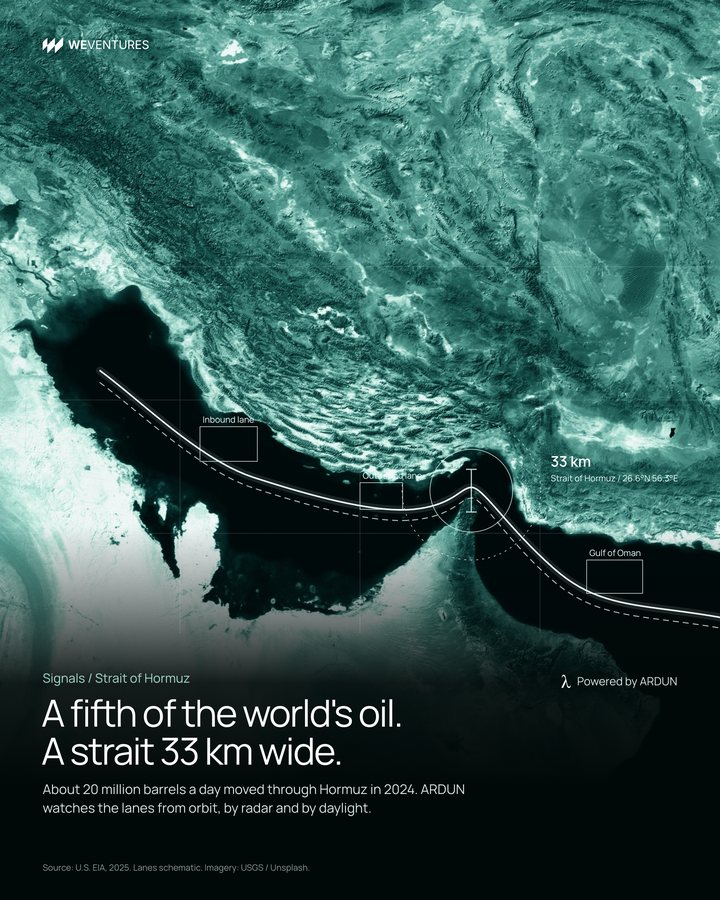
01 Hormuz: a fifth of the world’s oil, a strait 33 km wide. 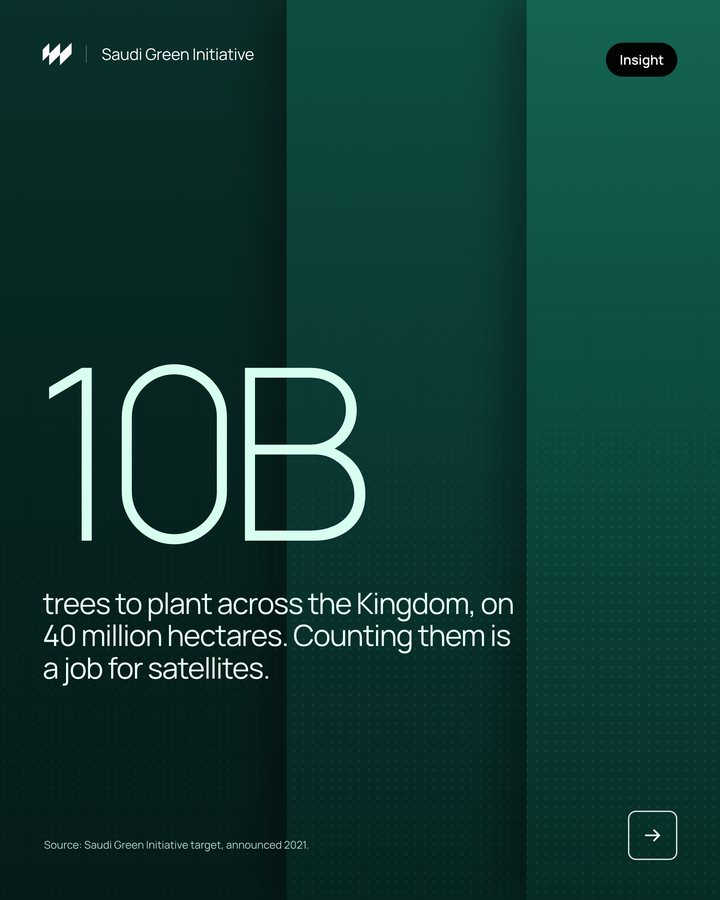
02 Ten billion trees: a job for satellites. 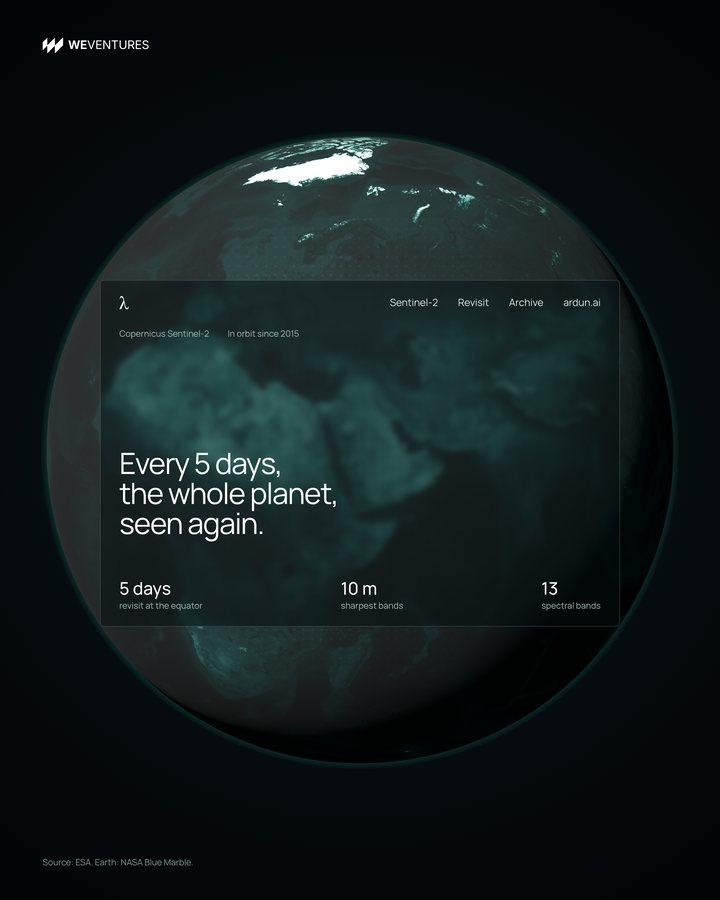
03 Sentinel-2: the whole planet, every five days. 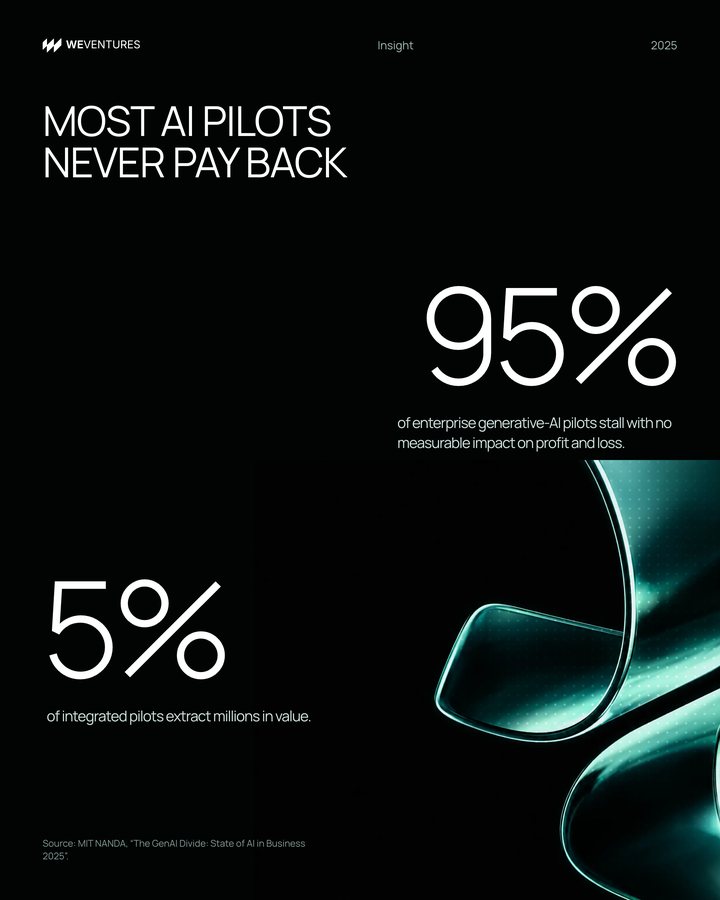
04 Most AI pilots never pay back. 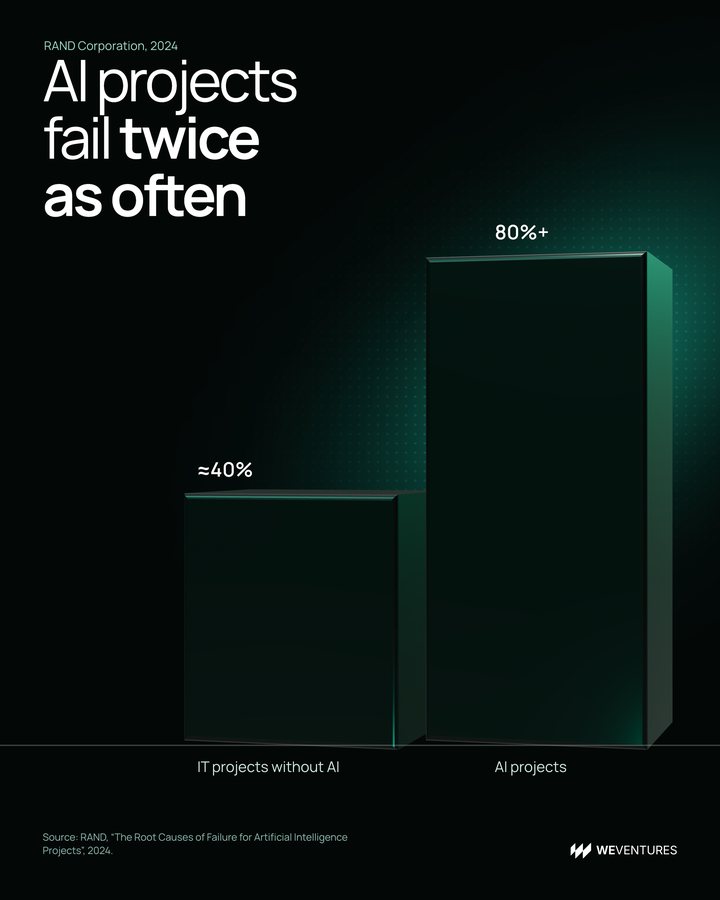
05 AI projects fail twice as often. 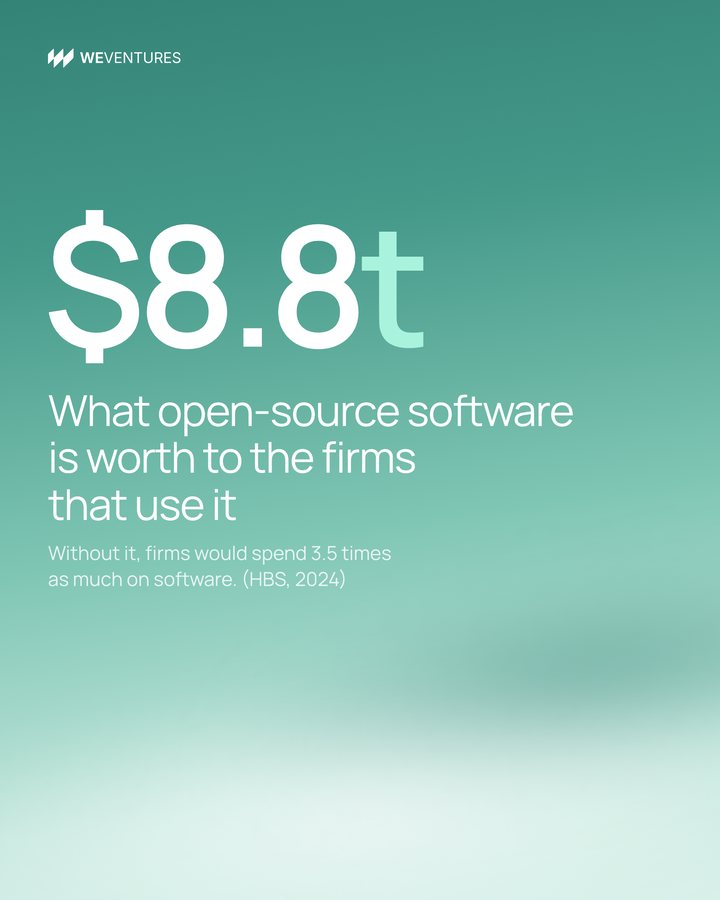
06 What open source is worth. 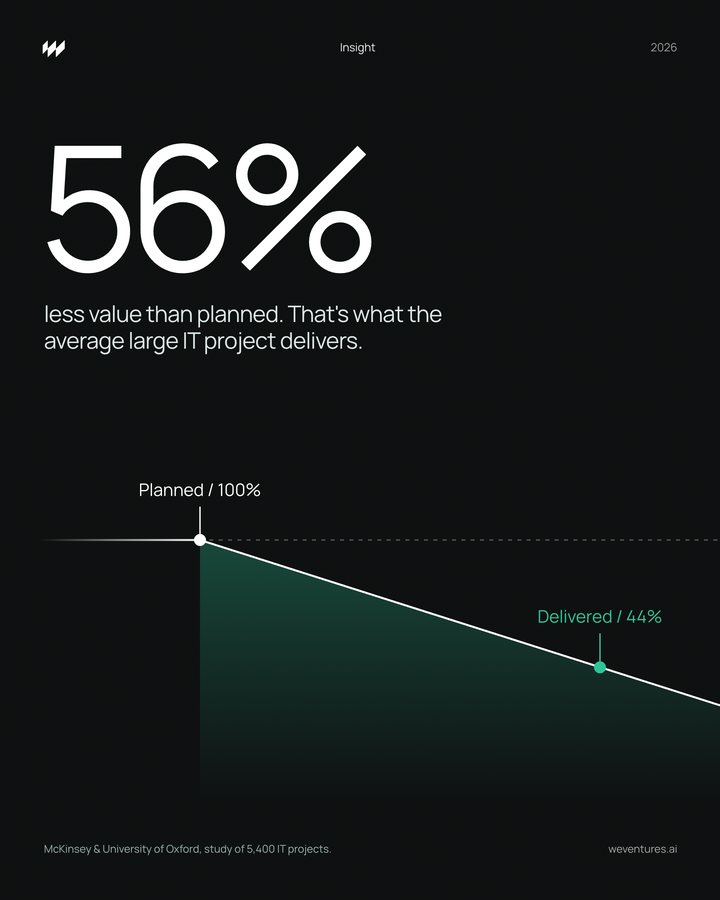
07 Large IT projects deliver 56% less value than planned.
Tangible impact
The numbers, with their sources.
Public figures only. Each names where it comes from, so anyone can check it.
- ~11,000active satellites in orbitESA Space Environment Report 2025
- 10Btrees to plant, on 40 million hectaresSaudi Green Initiative
- 95%of generative-AI pilots stallMIT NANDA, The GenAI Divide, 2025
- $8.8Twhat open-source software is worth to the firms that use itHBS, 2024
Used technologies
What it runs on.
- Quantra’s six teals
- Manrope, Inter and IBM Plex Mono
- Satellite imagery graded to the palette
- One source line on every post
Go further
Where to see it.
Sources and credits
- ESA Space Environment Report 2025
- U.S. Energy Information Administration (EIA), Strait of Hormuz flows, 2024
- Saudi Green Initiative
- ESA, Copernicus Sentinel-2
- MIT NANDA, “The GenAI Divide: State of AI in Business 2025”
- RAND Corporation, 2024
- Harvard Business School, “The Value of Open Source Software”, 2024
- McKinsey and University of Oxford, large IT projects (5,400 projects)
Further reading
Notes on this work.
More work
More cases from the lab.
Or see every public case, filtered by sector or venture.


Bring us the problem.
Tell us what is hard, in a paragraph. We will reply with the closest work we can show.