Specialisation 02 of 05
Cameras that read the street.
Overview
A camera at a barrier gate has a fraction of a second, bad light and a dirty plate. This area builds the detection, tracking and reading that has to work there, on hardware we can install.
Why the lab works on it
Vision only counts when something moves because of it: a barrier lifts, a bay shows as free, a payment closes. So the research runs on real frames and ends at a gate.
At a glance
- Specialisation
- 02 of 05
- Research areas
- 4
- Projects
- 2
- Outputs
- 3
- Latest dated output
- Oct 2026, Detections on a city street
- Ventures
- SpotMe
Research areas
What we study inside computer vision.
01 / 04Vehicle detection
- 01
Vehicle detection
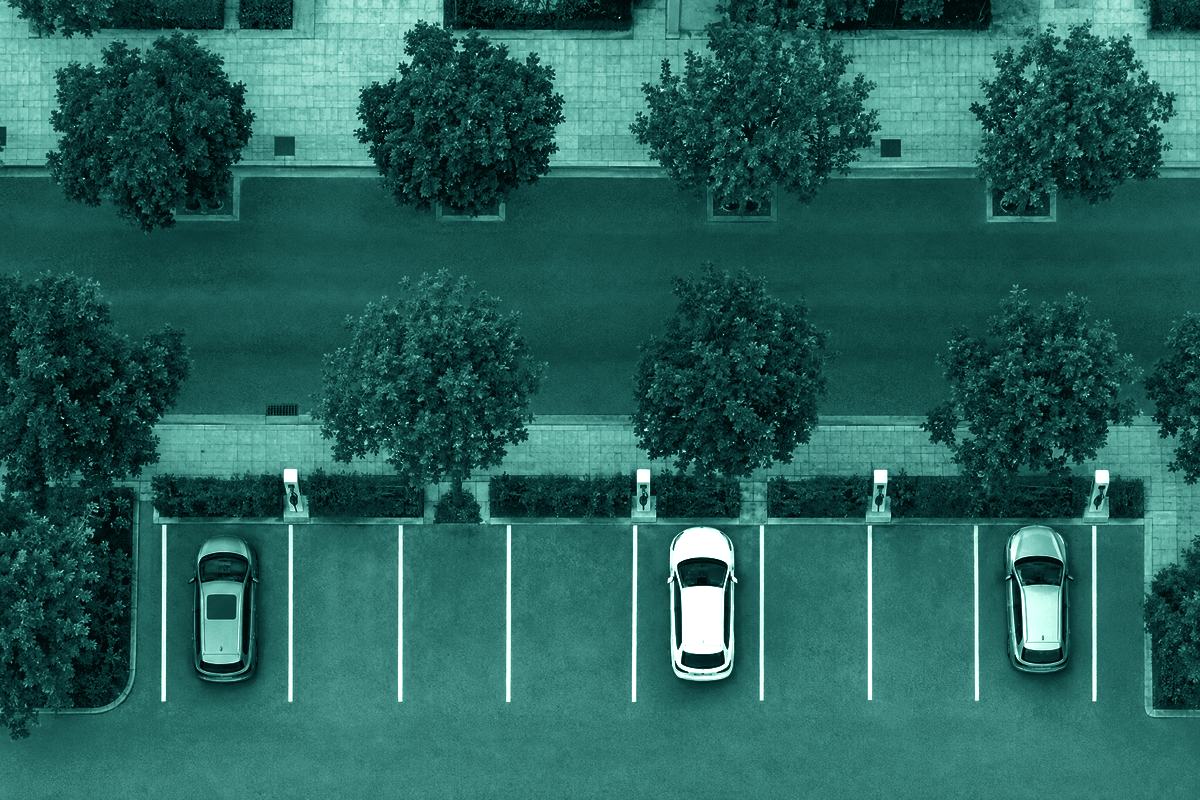
Finding every car, truck, bus and motorbike in a frame, and keeping hold of each one as the camera or the traffic moves.
- 02
Licence-plate recognition
Locating the plate inside each vehicle and reading it at an automated barrier, so entry needs no ticket.
- 03
Occupancy and guidance
Sensors and displays that know which bays are free and send drivers to them.
- 04
Edge hardware
Plug-and-play units built to install at the gate itself, with the barrier, the camera and the payment machine working as one.
Projects
The projects this field is running.
Computer vision
Gate recognition
No ticket. The plate is the pass.
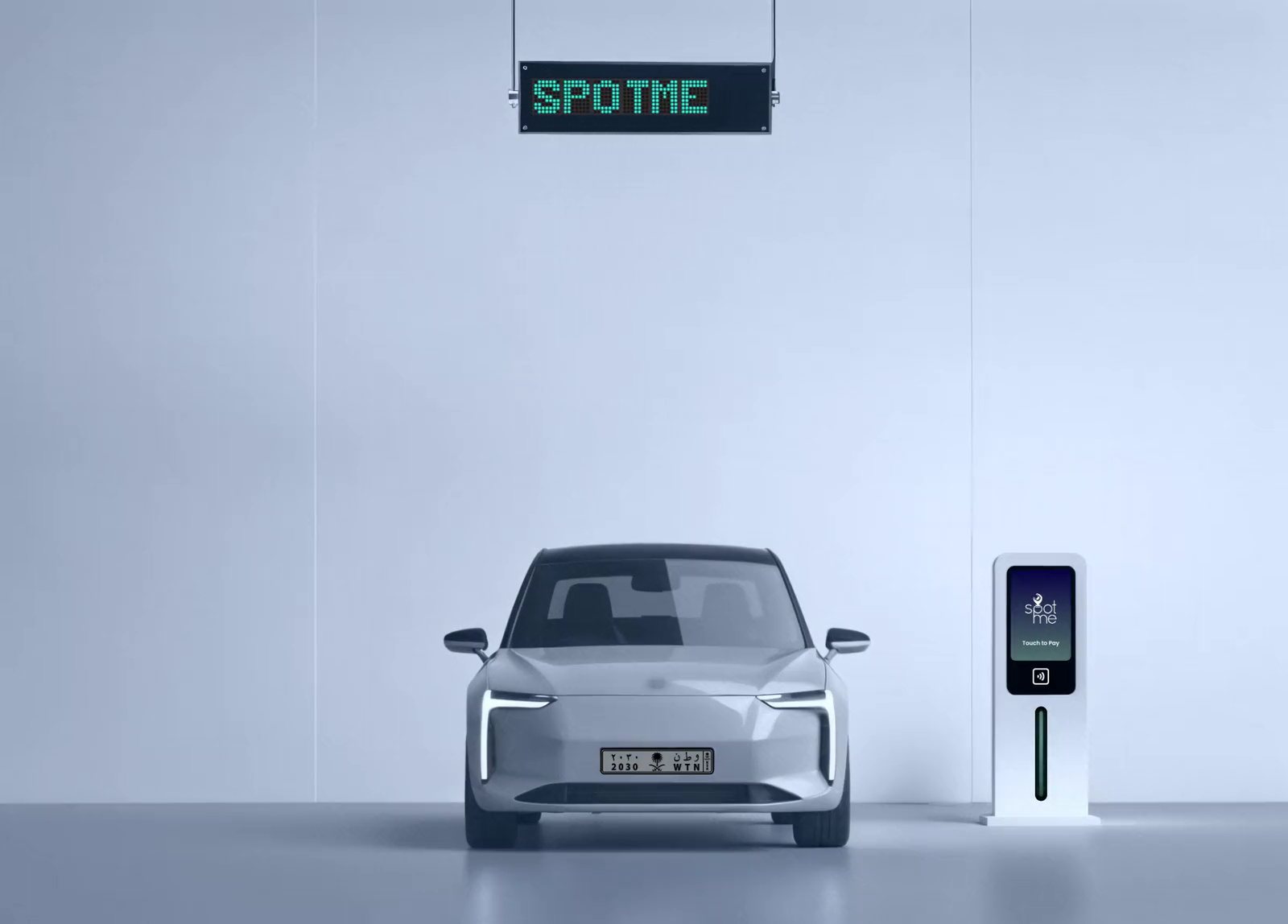
A camera at the barrier finds the vehicle, finds its plate and reads it, and the gate opens for the right car. Payment closes at a Pay & Go machine or in the app.
Used technologies
- Licence-plate recognition
- Automated barrier gates
- Plug-and-play hardware
Applications
- Urban parking
- Corporate sites
- Large venues
Computer vision
Parking guidance
Know the free bay before you turn in.
Sensors over each bay and displays at each turn send drivers to a free space; the app lets them find one, reserve it and drive straight in.
Used technologies
- Bay sensors
- Guidance displays
- A smart management platform with real-time analytics
Applications
- Finding a space
- Reserving ahead
- Gate auto-entry
Outputs
What came out of it, with dates.
- LiveProductPlate recognition at the barrierAI licence-plate recognition at automated barrier gates, with Pay & Go machines for card and contactless.
- PrototypeThe platform, rebuilt on Next.jsA new web platform for SpotMe’s operators: the smart management platform with real-time analytics, started from scratch.
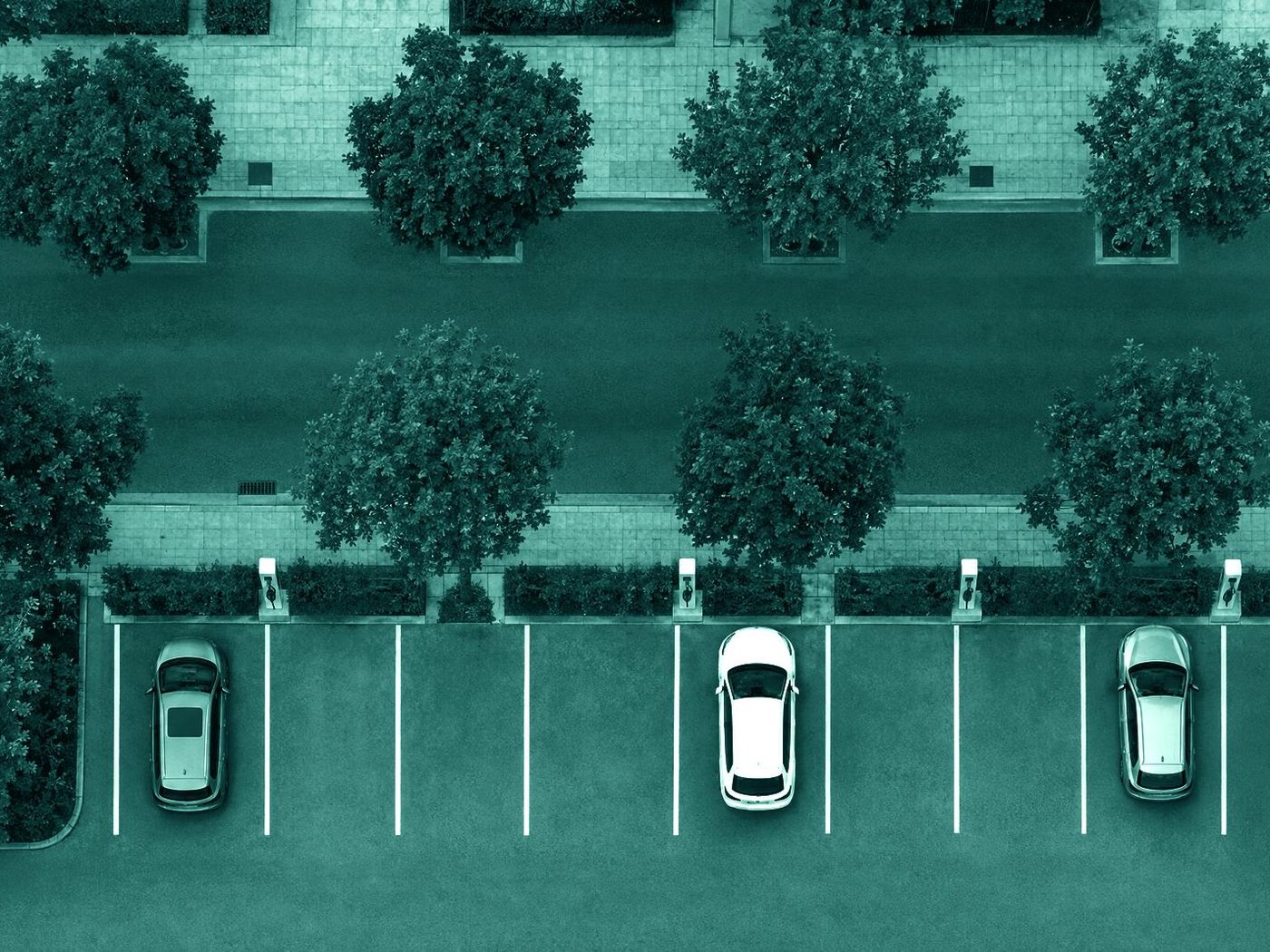
- ExperimentDetections on a city streetYOLOv5n run over one street photograph in 900 px tiles; every box on this page is the model’s real output.
The venture that came out of it
Research that became a company.

Related notes
Read further, from the lab’s notes.
 We flip the pyramid: why the lab builds its own tools firstA venture usually starts with a market and works down to the desk. Ours start at the desk. The argument, what it has produced so far, and what it costs us.
 Sovereign by default: running fine-tuned models where the data livesWhere a model runs is a design decision, made before the first line of code. How WorkAlly places models in three tiers, and what stays local in each venture.
Questions
Asked about computer vision.
What does the camera read?
Each vehicle in the frame, then the plate on it. At an automated barrier the plate is the pass, so entry needs no ticket.
Is the hardware part of it?
Yes. The plug-and-play units are built to install at the gate itself, so the barrier, the camera and the payment machine work as one system.
How do drivers pay?
At a Pay & Go machine, by card or contactless, or in the app, which also finds a bay, reserves it and opens the gate.
Are the boxes on this page real?
Yes. They are YOLOv5n’s own detections over one street photograph, run in 900 px tiles. Nothing is drawn by hand.
Where is it meant to run?
It is built for urban parking, corporate sites and large venues.